Key takeaways
- IMDG Amendment 42-24 became mandatory on 1 January 2026. Shipping electric construction equipment is now a different exercise on paper than it was in 2024.
- UN 3171 is no longer allowed for machines powered by lithium-ion, lithium-metal, or sodium-ion batteries. Three new entries replaced it: UN 3556, UN 3557, and UN 3558.
- Self-propelled construction machinery counts as a vehicle under these rules. An electric compact excavator falls in the same bracket as an electric car.
- Special Provision 961 offers an exemption path. Machines that do not meet it ship under Special Provision 962 as Class 9 dangerous goods.
- Batteries shipped loose or as spares are a separate problem with separate UN numbers. Do not assume they travel on the machine’s paperwork.
Table of Contents
What changed on 1 January 2026
Until recently, shipping electric construction equipment by sea meant one generic entry. UN 3171, Class 9, “battery-powered vehicle,” covered everything with a battery and wheels or tracks — golf carts, forklifts, electric cars, e-bikes, and increasingly electric excavators and loaders.
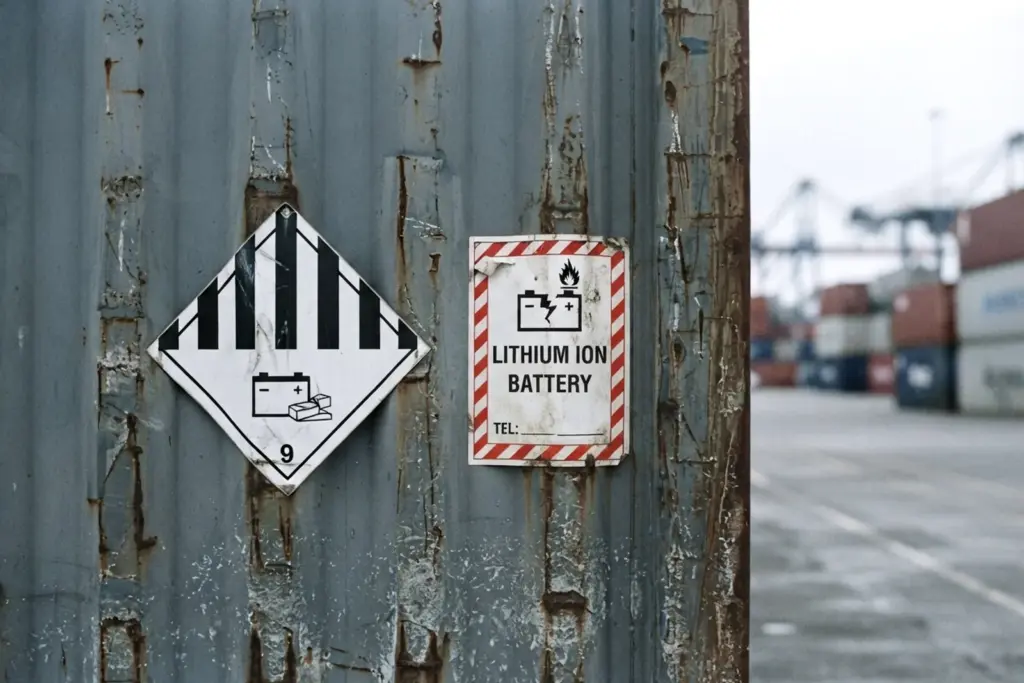
Amendment 42-24 to the IMDG Code ended that. Three new Class 9 entries were added for vehicles by battery chemistry, and vehicles with those batteries fitted now travel under the new numbers rather than UN 3171.
| UN number | Proper shipping name | Applies to |
|---|---|---|
| UN 3556 | Vehicle, lithium ion battery powered | Most electric construction machinery |
| UN 3557 | Vehicle, lithium metal battery powered | Rare in heavy equipment |
| UN 3558 | Vehicle, sodium ion battery powered | Newer chemistry, growing |
| UN 3171 | Battery-powered vehicle | Wet, metallic sodium, or sodium alloy batteries only |
| UN 3480 / UN 3481 | Lithium ion batteries, alone or with equipment | Loose batteries and spare packs |
The transitional window closed with the calendar. For sea transport, UN 3171 was accepted until 31 December 2025. From 1 January 2026 a booking filed under the old entry is a wrong declaration, and wrong declarations on Class 9 cargo get containers rolled at the terminal.
Does this apply to my machine?
Almost certainly, if it is battery-electric and it moves under its own power.
The dangerous goods definition of a vehicle is broader than the everyday one. It covers self-propelled apparatus designed to carry people or goods, and that expressly includes self-propelled machinery used in construction and farming. An electric mini excavator, a battery-powered wheel loader, a compact track loader — all vehicles for this purpose.
Hybrid and diesel machines with a conventional starter battery are not caught by these entries. Neither is a machine shipped with the battery pack removed and handled separately, though that moves the problem rather than solving it: the pack itself then becomes a lithium battery shipment under UN 3480, with its own packing, marking, and carrier approval requirements.
The exemption most exporters miss
This is the part worth knowing before you accept a dangerous goods surcharge without asking.
Special Provision 961 sets out conditions under which a battery-powered vehicle is exempt from most IMDG Code requirements. A machine meeting those conditions moves closer to general cargo handling than to full dangerous goods treatment.
A machine that does not meet them ships under Special Provision 962 as Class 9, and SP 962 carries its own conditions:
- No leakage. The installed batteries must show no sign of leaking.
- Battery compliance. Batteries must meet Special Provision 388 and be protected against damage, short circuit, and accidental activation in transit.
- Marking and labelling. Chapter 5.2 and 5.3 provisions apply where the vehicle is fully enclosed in a crate or packaging that prevents it being readily identified. A machine shipped uncrated on RoRo sits differently than the same machine in a container.
Whether your specific unit qualifies under SP 961 is a classification question, not a freight question. It belongs with the shipper and a qualified dangerous goods adviser. Getting a “no” is fine. Getting a wrong “yes” is what ends with cargo refused at the gate.
What you have to produce
The file for a Class 9 machine is longer than the file for a diesel one.
- Dangerous goods declaration with the correct UN number and proper shipping name.
- UN 38.3 test summary for the battery, with specifications matching every other document in the file.
- Safety data sheet referencing the current IMDG amendment.
- Packing certification against the applicable packing instruction, P912 for the new vehicle entries.
- Exemption certificate where an exemption is claimed.
- Standard export set — commercial invoice, packing list, AES filing, and the bill of lading.
Consistency across those documents matters more than any single one of them. A battery specification on the invoice that does not match the test summary is the kind of mismatch terminals catch and carriers refuse.
Why this hits RoRo hardest
Construction equipment shipping has always favoured RoRo for anything that drives, and battery-powered machines drive. That is precisely where carriers have tightened most. Vessel operators have been dealing with battery fire risk on ro-ro decks for several years, and a Class 9 declaration on a vehicle carrier now attracts real scrutiny.
Expect three practical consequences. Booking lead times stretch, because dangerous goods approval runs on its own clock and is not granted at the last minute. Some sailings will not take the cargo at all, which narrows your options on a given lane. And placarding and gate-in checks are stricter — for containerised Class 9 under SP 962, four-sided placarding is now commonly recommended to avoid disputes over port interpretation.
If RoRo turns out to be unavailable or uneconomic on your lane, flat rack or breakbulk becomes the fallback, which changes both the cost and the preparation. We compared those routes in RoRo vs flatrack.
The inland leg nobody plans for
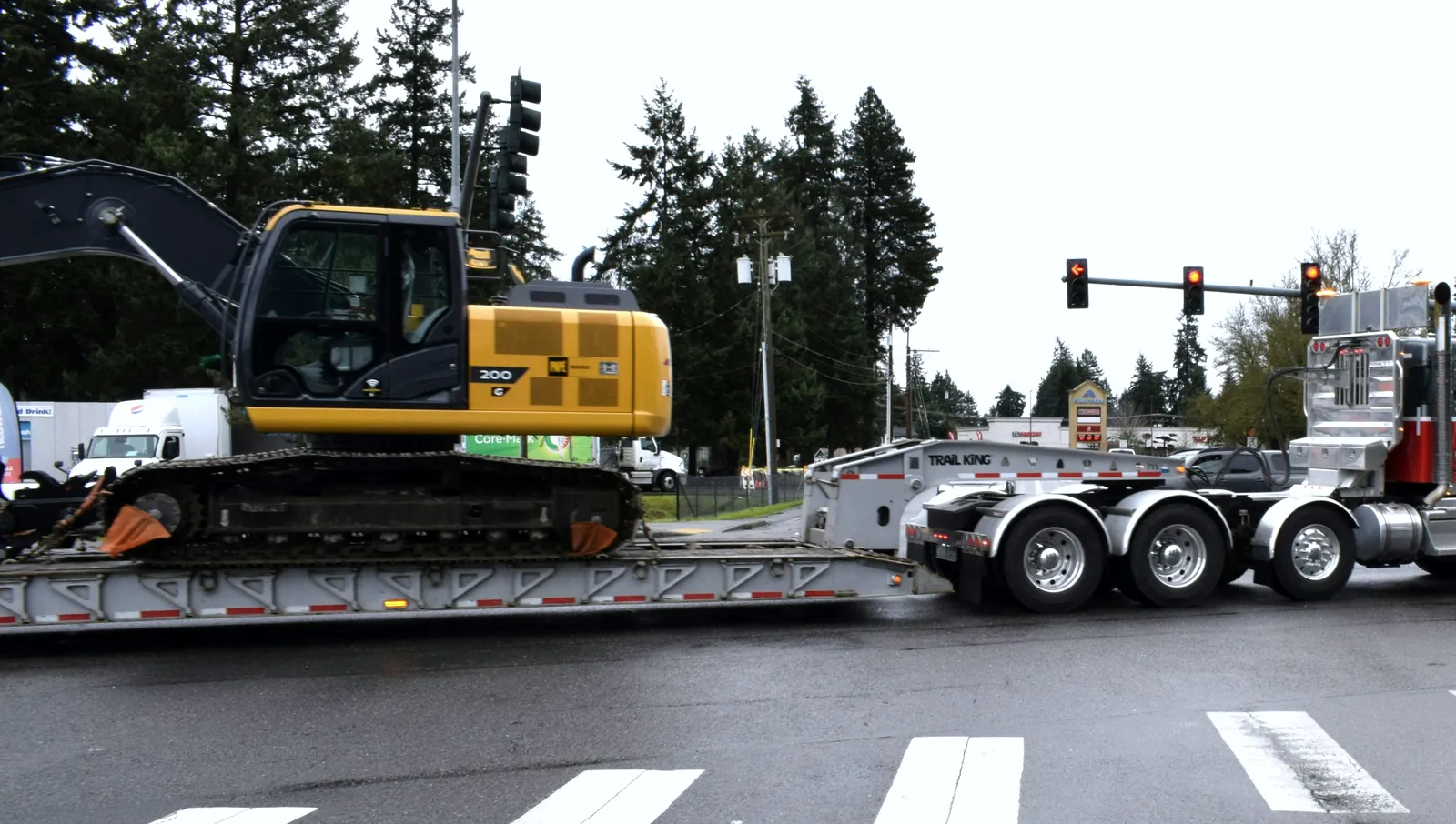
Construction equipment transport inside the US is the part most exporters forget in this conversation. The machine still has to reach the port by road, and the inland carrier needs to know what he is hauling before the truck is dispatched.
Tell the trucking company the battery chemistry and the classification at booking, not on the morning of pickup. A driver who finds out at the terminal gate that his load is declared Class 9 is a driver who leaves without it, and the machine sits in the yard while a replacement is found.
Five steps before you book
- Identify the battery chemistry. Lithium-ion, lithium-metal, or sodium-ion decides the UN number. The manufacturer’s data plate or spec sheet has it.
- Get the UN 38.3 test summary from the vendor. Ask at the purchase stage, not at the port. Chasing a summary from an equipment dealer after the machine has left his yard is slow.
- Have the classification done properly. SP 961 exemption or SP 962 Class 9 — decided by someone qualified to make that call and willing to put it in writing.
- Declare early. Dangerous goods bookings need approval before space is confirmed. Build weeks into the schedule, not days.
- Handle spare packs separately. A second battery in the crate is not covered by the machine’s declaration. It is its own shipment with its own rules.
Where Falcon Cargo fits, and where it does not
We handle the freight side of commercial exports from the USA and Canada: export documentation, AES filing, packing and bracing, routing by ocean or air, and coordination with the terminal through departure. On a battery-electric machine we work from your classification and declaration and build the shipment around them.
What we do not do is classify your cargo or sign the dangerous goods declaration for you. That responsibility sits with the shipper and a qualified dangerous goods adviser, and any forwarder offering to take it off your hands casually is doing you no favours. Air freight adds a further layer under the IATA regulations, which are stricter again for lithium batteries — confirm the specific carrier’s requirements before assuming a lane is open.
For buyers who also need the machine sourced and purchased inside the US, LS Projects handles procurement under its own name and hands the prepared cargo to us. Separate companies, one process from the vendor’s yard to your port. Read how the sourcing and export process works, or send the machine details and destination port to get a freight quote.
People also ask
Is an electric excavator dangerous goods?
By sea, usually yes. Under IMDG Amendment 42-24 a self-propelled machine powered by a lithium-ion battery ships as UN 3556, Class 9. Special Provision 961 provides an exemption path for machines meeting its conditions, but the default assumption should be that the shipment is dangerous goods until classification says otherwise.
What replaced UN 3171 for battery-powered vehicles?
UN 3556 for lithium-ion, UN 3557 for lithium-metal, and UN 3558 for sodium-ion powered vehicles. UN 3171 remains in use only for vehicles with wet, metallic sodium, or sodium alloy batteries. For sea transport the old entry was accepted until 31 December 2025.
Can I ship the machine and the battery separately?
Yes, but it does not remove the dangerous goods problem. A battery pack shipped on its own falls under UN 3480 with its own packing instruction, marking, and carrier approval. In many cases keeping the battery installed under UN 3556 is the simpler route, though the right answer depends on the machine and the lane.
Does this affect air freight too?
Yes, and generally more severely. Lithium batteries are tightly restricted by air under the IATA Dangerous Goods Regulations, with limits that go beyond the sea rules. Confirm what the specific airline and route will accept before planning an air movement for battery-powered machinery.
What happens if I declare the wrong UN number?
At best the booking is corrected and delayed. At worst the container is refused at gate-in or rolled from the sailing, with storage and demurrage running while it is fixed. Misdeclaration of dangerous goods also carries penalties and exposes the shipper to liability if an incident occurs.
Ready to ship? Let’s talk.
Falcon Cargo handles commercial exports from the USA and Canada — air and ocean, any complexity, any destination.