Table of Contents
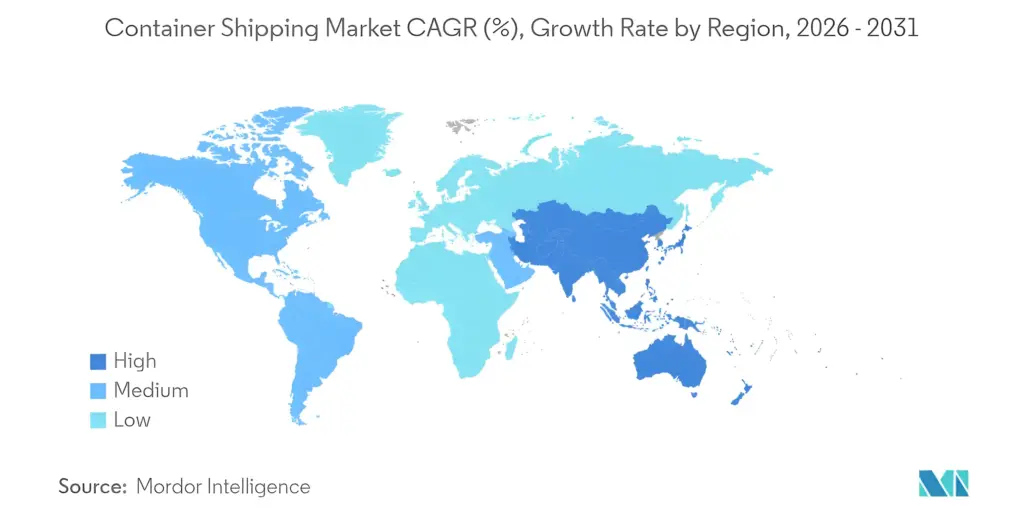
In 2026, the global container shipping market is facing a significant oversupply of vessel capacity. Fleet expansion has outpaced demand growth, pushing freight rates to multi-year lows on many export lanes.
For importers, this environment can be difficult.
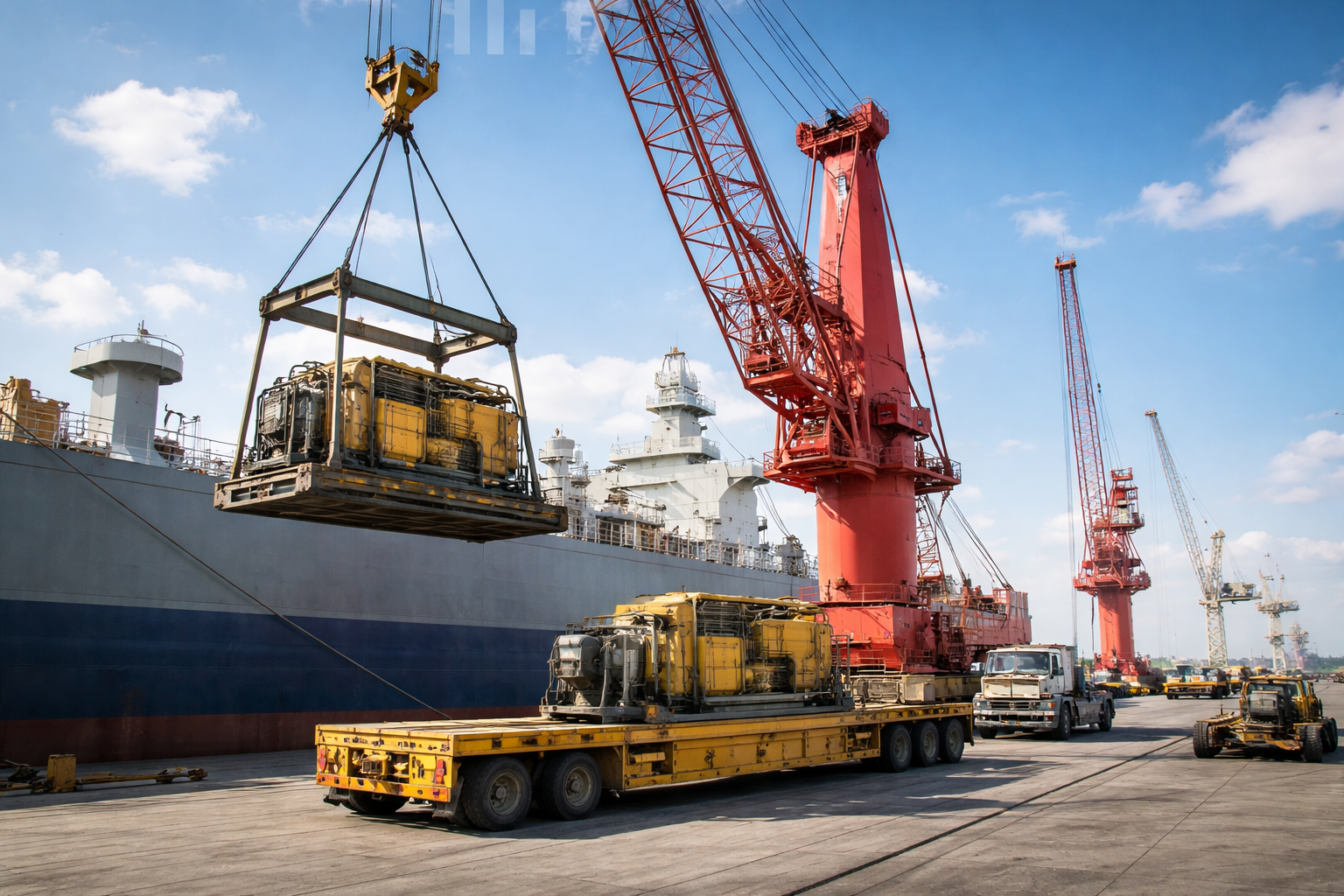
But for exporters moving heavy lift and oversized cargo from USA and Canada, it creates a rare window to reduce transportation costs by 20–40% — especially for oil & gas, mining, and industrial equipment.
At Falcon Cargo, we are already helping clients take advantage of this market shift through strategic booking, optimized routing, and fixed-rate contracts for heavy lift freight forwarding.
Why Container Oversupply Matters for Heavy Lift Freight Forwarding
According to recent industry analysis, global container fleet capacity has grown by nearly 20%, while demand has increased by only 1–2% annually. Even with rerouting around high-risk zones such as the Red Sea, carriers are struggling to fill vessels on export legs.
Independent market data from Drewry and Clarksons Research confirms that rates on many North America export routes are now at historic lows.
For exporters shipping heavy and oversized cargo, this translates into:
- Spot rates on North America–Middle East and Transpacific routes down 30–50% year-over-year
- Aggressive carrier discounts from operators like MSC and Maersk to fill empty export slots
- Availability of 6–12 month fixed-rate contracts at levels not seen since before 2020
We recently supported a client shipping oversized energy equipment from Alberta to Qatar. By booking during a low-demand window, total ocean freight costs were reduced by over $45,000 on a single shipment.
Practical Cost-Saving Strategies for Heavy Lift Exports in 2026
1. Lock in Fixed Rates While the Market Is Soft
For heavy lift freight forwarding, volatility is the enemy of budgeting. In 2026, exporters have the advantage.
Example:
Houston → Dubai
- 40’ flat rack
- 50-ton turbine
Current market:
- Spot rate: ~$8,500
- Peak 2024 rate: $15,000+
By locking in a 6-month fixed contract, exporters can protect margins before rates rebound later in the year.
2. Optimize Routes Using Nearshoring and Transshipment Hubs
Nearshoring hubs in Mexico and Central America are becoming powerful tools for oversized cargo shipping from USA and Canada.
Cost-efficient routing example:
Calgary → Monterrey → Panama Canal → Rotterdam or Jebel Ali
Benefits:
- Avoids port congestion in traditional U.S. gateways
- Reduces transit time by 5–7 days
- Lowers total freight cost by 15–25% versus direct routings
This approach is especially effective for mining and oilfield equipment moving to the Middle East, Latin America, and Europe.
3. Bundle Logistics Services to Reduce Total Landed Cost
True savings don’t come from freight rates alone.
At Falcon Cargo, we support clients with:
- Supplier coordination and sourcing
- Export documentation and compliance
- CBP-ready filings and inspections
- Insurance and destination delivery
Clients choosing end-to-end heavy lift logistics instead of fragmented forwarding often see up to 30% lower total landed costs.
You can read more about how we resolve export and customs issues in our guide on
Real-World Case Study (Anonymized)
A Texas-based energy contractor needed to export eight diesel generators (total weight: 400 tons) to Colombia.
Solution implemented:
- Used excess vessel capacity on a Houston → Panama → Colombia routing
- Combined containerized flat racks with breakbulk options
- Coordinated documentation and port handling through a single provider
Results:
- Transit time: 28 days
- Total savings: $62,000
- Cost reduction: 38% compared to previous provider
This is a typical example of how container oversupply can be leveraged when heavy lift freight forwarding is planned strategically.
2026 Outlook: Why Timing Matters
Most analysts expect freight rates to stabilize or rebound in mid-to-late 2026, driven by:
- LNG export growth
- Infrastructure projects in the GCC
- Mining and energy investments in Latin America
The current oversupply will not last forever. Exporters who move early can secure long-term savings before the market tightens.
At Falcon Cargo, we specialize in oil and gas logistics, oversized cargo shipping, and heavy lift exports from USA and Canada to global destinations.
📩 Send us your cargo specs or photos — we provide detailed quotes within 24 hours.
Heavy Lift Shipping FAQ (2026)
Is 2026 a good year for heavy lift exports?
Yes. Container oversupply has created unusually low export rates, making 2026 one of the most cost-effective years in recent history.
How long will container oversupply last?
Most forecasts suggest stabilization by mid-to-late 2026 as demand increases.
Are fixed rates better than spot rates?
For heavy and oversized cargo, fixed rates provide budget certainty and protection against sudden market rebounds.
Which routes offer the biggest savings?
North America to the Middle East and Latin America currently show the strongest cost reductions, especially via Panama Canal routings.
Planning a heavy lift or oversized export in 2026?
Let Falcon Cargo help you take advantage of the current market.