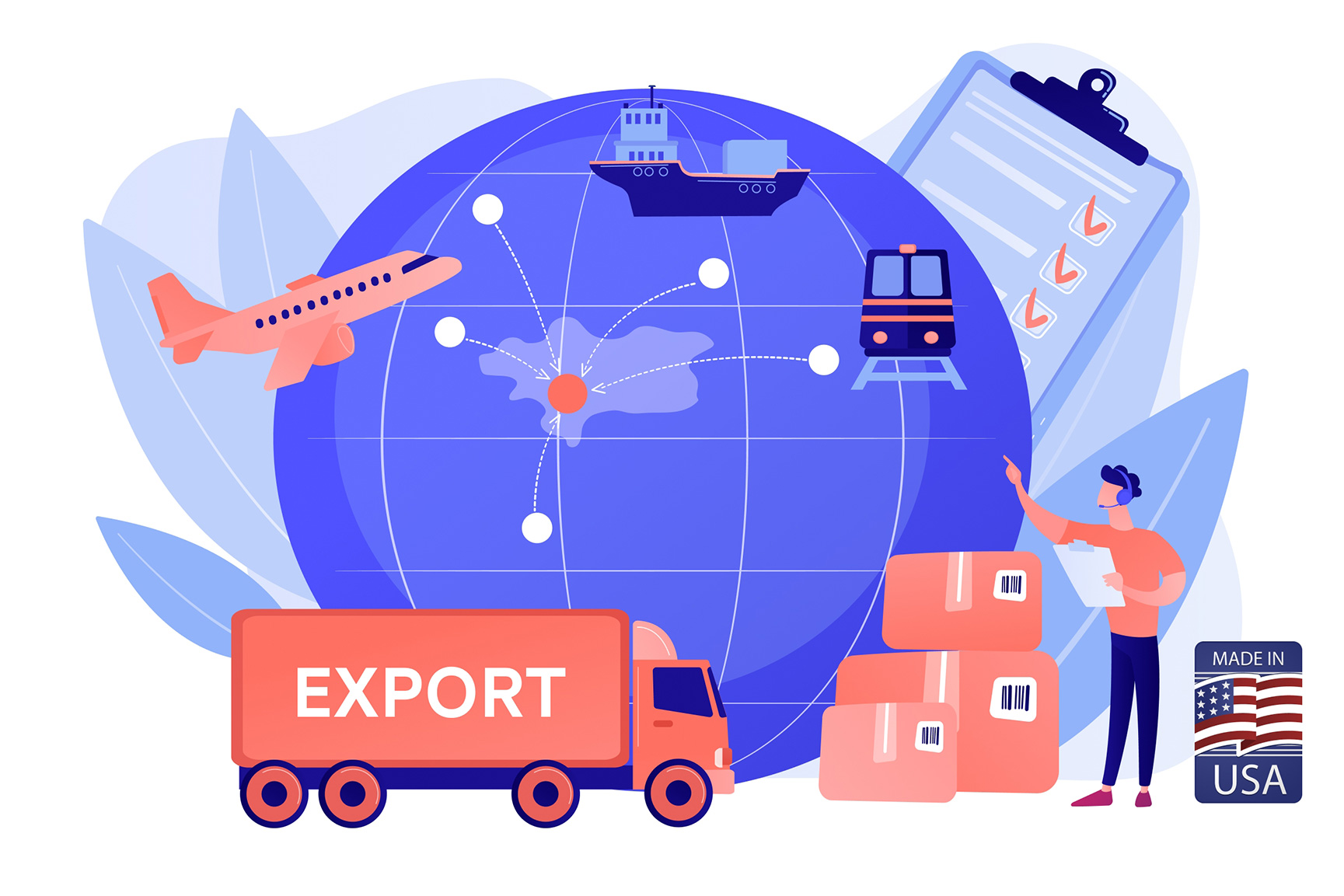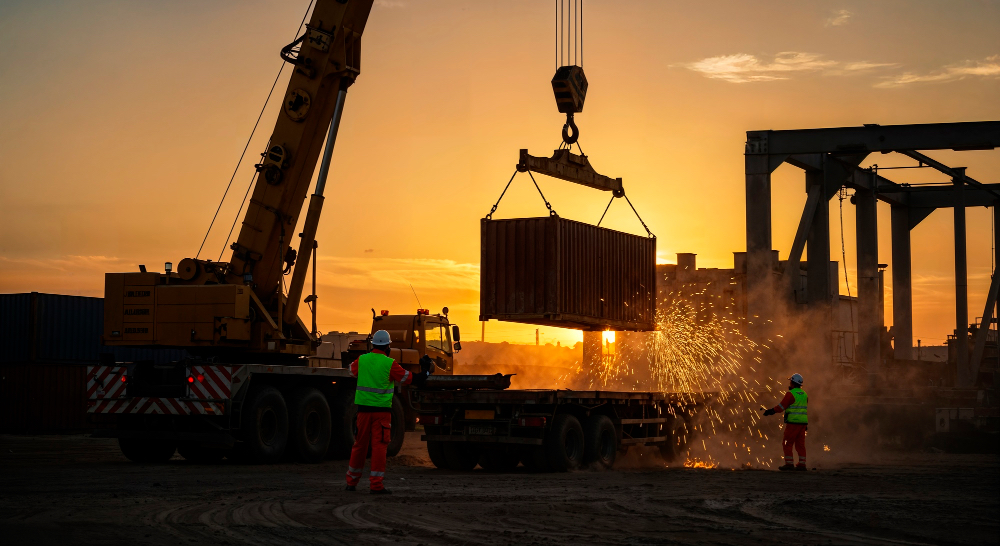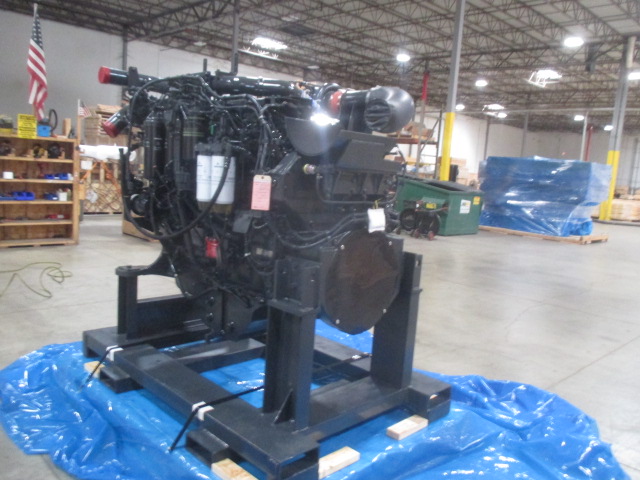

A CBP export hold USA occurs when export cargo is temporarily detained before leaving the United States due to compliance, documentation, licensing, or national security concerns identified during export review. These delays have become more common as U.S. export enforcement continues to tighten.
Understanding the implications of a cbp export hold usa is crucial for exporters to navigate compliance challenges effectively.
Exporters should always be prepared for a cbp export hold usa as this can impact shipment timelines significantly.
Since 2022, exporters have faced increased scrutiny driven by expanded sanctions programs, stricter export control regulations, and heightened national security requirements. As a result, even compliant commercial shipments may be selected for additional review and delayed prior to departure.
Awareness of potential reasons for a cbp export hold usa can help in addressing issues proactively.
Table of Contents
Types of U.S. Customs Inspections on Export Cargo
This section explains the types of us customs inspections applied to export cargo before departure from the United States. These inspections focus on documentation accuracy, licensing compliance, and risk assessment.
Customs and Border Protection conducts export inspections to verify that shipments comply with U.S. laws and international trade regulations. These procedures are part of the standard export clearance process and may occur at ports, airports, or inland facilities.
The most common inspection types include:
- Review of export documentation and EEI filings to confirm accuracy
- Verification of export licenses for controlled or dual-use goods
- Sanctions and restricted party screening
- Physical examination of cargo when risk indicators are present
If issues are identified during inspection, customs holds may be placed on the shipment until compliance concerns are resolved.

What to Do When Cargo Is Held by CBP
When a CBP export hold USA occurs, immediate and structured action is essential. Export holds rarely resolve automatically, and delays often increase when exporters wait without addressing compliance issues.
Step-by-Step Response Process
A cbp export hold usa may require immediate action to rectify documentation or compliance issues.
The first step is identifying the reason for detention. In most cases, this information is available through the assigned customs broker, who can access shipment notes and hold codes.
Recommended actions include:
- Confirming the exact reason for the export hold with your broker
- Reviewing EEI filings, export licenses, and supporting documents
- Correcting discrepancies in commodity descriptions or classifications
- Responding promptly to all official requests for clarification
How CBP Communication Works
In export cases, shippers typically do not communicate directly with CBP officers. All coordination is handled through the customs broker, who works via cbp customer service channels at the port of export to submit corrections, provide explanations, and track release status.
Understanding this process helps avoid unnecessary follow-ups and prevents delays caused by incomplete responses or inconsistent documentation. When corrective actions are taken promptly and documentation aligns with U.S. export regulations, most export detentions can be resolved without escalation.
Final Notes for Exporters
If your shipment is part of broader international shipping services, delays caused by incomplete export documentation or compliance gaps can affect transit schedules and downstream delivery timelines.
Understanding how to respond to a cbp export hold usa is essential for timely resolution.
Understanding how export inspections work—and why holds occur—remains one of the most effective ways to prevent delays. If your cargo is already held or you need support with export compliance, you can
contact Falcon Cargo to review your case and coordinate next steps.
Exporters facing a cbp export hold usa should consult their customs broker for guidance.
Frequently Asked Questions About CBP Export Holds
Being proactive can help in reducing the chances of a cbp export hold usa on shipments.
Contacting experts familiar with cbp export hold usa processes can expedite resolution.
Many exporters have successfully navigated a cbp export hold usa by following best practices.
Understanding how a cbp export hold usa affects your shipment can help plan better logistics.
Knowing the timeframe involved in a cbp export hold usa can help set realistic expectations.
What does a CBP hold mean?
A CBP hold means that U.S. Customs and Border Protection has temporarily detained export cargo for additional compliance review. This review may include verification of export documentation, licensing requirements, sanctions screening, or national security checks before the shipment is authorized to depart the United States.
For those unfamiliar, a cbp export hold usa can lead to significant delays if not addressed promptly.
How long will U.S. Customs hold my package?
There is no fixed timeline for a CBP export hold. Some holds are resolved within a few days, while others may take several weeks. The duration depends on the reason for the hold, the accuracy of documentation, licensing requirements, and how quickly requested clarifications are provided.
What is CBP in export operations?
CBP (Customs and Border Protection) is the U.S. government agency responsible for enforcing export regulations and ensuring compliance with U.S. laws. In export operations, CBP reviews shipments before departure to verify proper filing, licensing, and lawful destination of goods.
How long can CBP hold you at the airport?
CBP has legal authority to detain individuals at an airport for a reasonable period to conduct inspections, questioning, or secondary screening. The duration varies by situation and may range from minutes to several hours. In rare cases involving serious concerns, detention may be extended for further investigation.