Heavy equipment export from USA follows six steps: agree on the Incoterm, screen the buyer and destination, pick the machine up from the vendor’s yard, clean and prepare it, file AES and clear CBP, then load it on the right vessel. Delays usually start in the contract, the cleaning, or the paperwork, well before the ocean leg.
This guide is for contractors, equipment distributors, and procurement teams buying machinery in the USA or Canada for projects abroad. It covers what actually holds shipments at the port and how to plan around it.
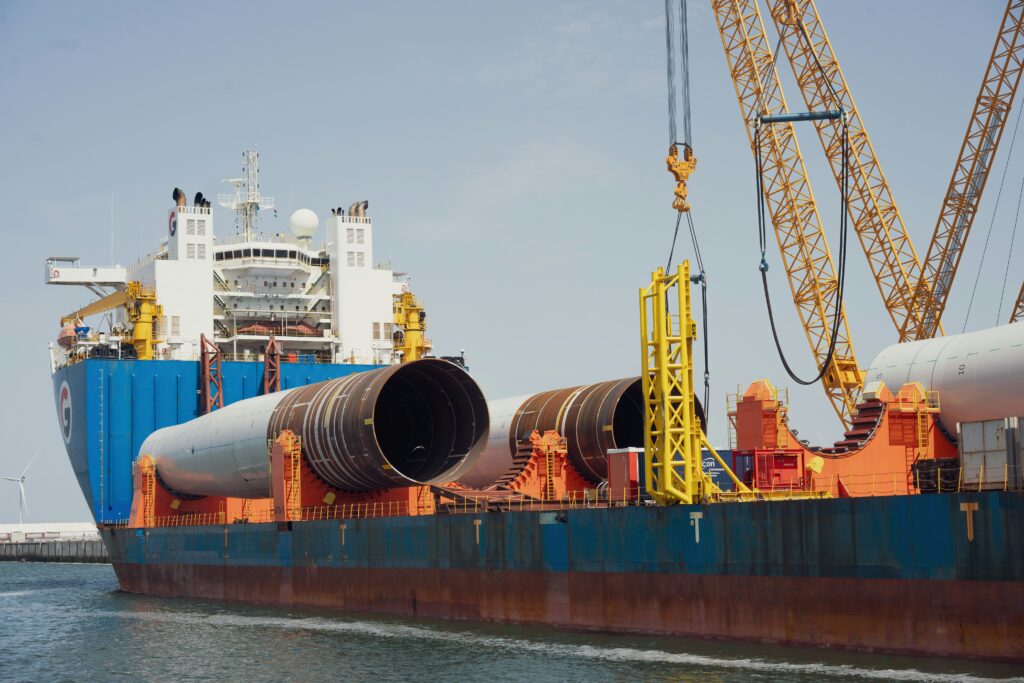
Table of Contents
Sourcing Heavy Equipment in the USA and Canada
North America has a deep market for new and used construction, mining, and oil and gas equipment, with dealer networks and auction yards in every region. For an overseas buyer, finding a machine is the easy part. Buying it correctly and getting it from a yard in Texas or Alberta onto a ship takes more work.
What Equipment Typically Ships
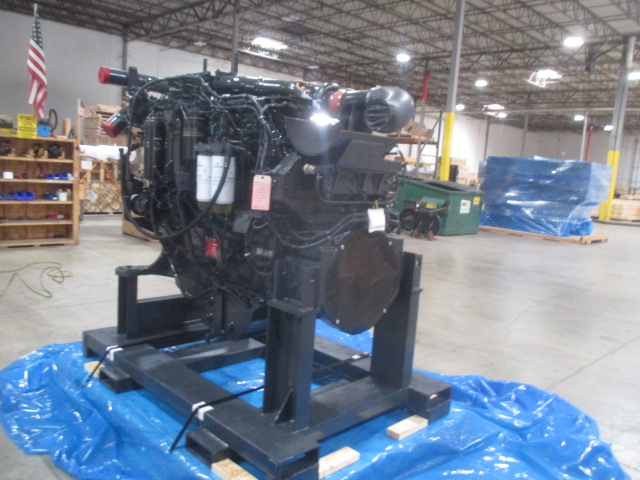
The bulk of export volume falls into a few groups: excavators, wheel loaders, dozers, motor graders, articulated dump trucks, drilling rigs, generators and turbines, and genuine parts for CAT, Komatsu, and Volvo machines. For shipping purposes, the brand matters less than three questions. Does it drive? Does it fit inside a container once dismantled? How much does it weigh on a single lift?
Who Handles Sourcing vs. Shipping?
Sourcing and shipping are two separate jobs, and we keep them separate. Our sourcing partner LS Projects finds the equipment, arranges inspections, buys it under its own name, and prepares the commercial paperwork. Falcon Cargo takes over at the vendor’s yard and moves the machine by ocean or air.
One process, from the vendor’s yard to your port. If you already have a seller and a purchase order, you can come straight to us for the freight side.
Heavy Equipment Export from USA in 6 Steps
A clean export runs in a fixed order. Skipping ahead, for example booking a vessel before the machine is cleaned or the paperwork is ready, is the most common reason equipment sits at the terminal and collects storage charges.
1. Which Incoterm Should You Use: EXW or FCA?
For equipment bought from a US dealer, FCA is usually the better choice. Under EXW the buyer carries export clearance, which is awkward for a foreign company with no US presence. Under FCA the seller clears the goods for export and hands them over at an agreed point, often loaded on your truck at their yard.
FOB and CIF are sea-only terms, with delivery on board the vessel. They fit breakbulk and some RoRo moves, but not containers or flat racks. Get the term right in the purchase contract before anything moves.
2. Screen the Parties and the Destination
Every buyer, consignee, and end user gets checked against the US government’s Consolidated Screening List before we quote. Export controls follow the final destination, not the transit port, so routing through a third country does not change the answer. Some destinations are closed to us entirely, transshipment included.
3. Coordinate Vendor Pickup and Inland Transport
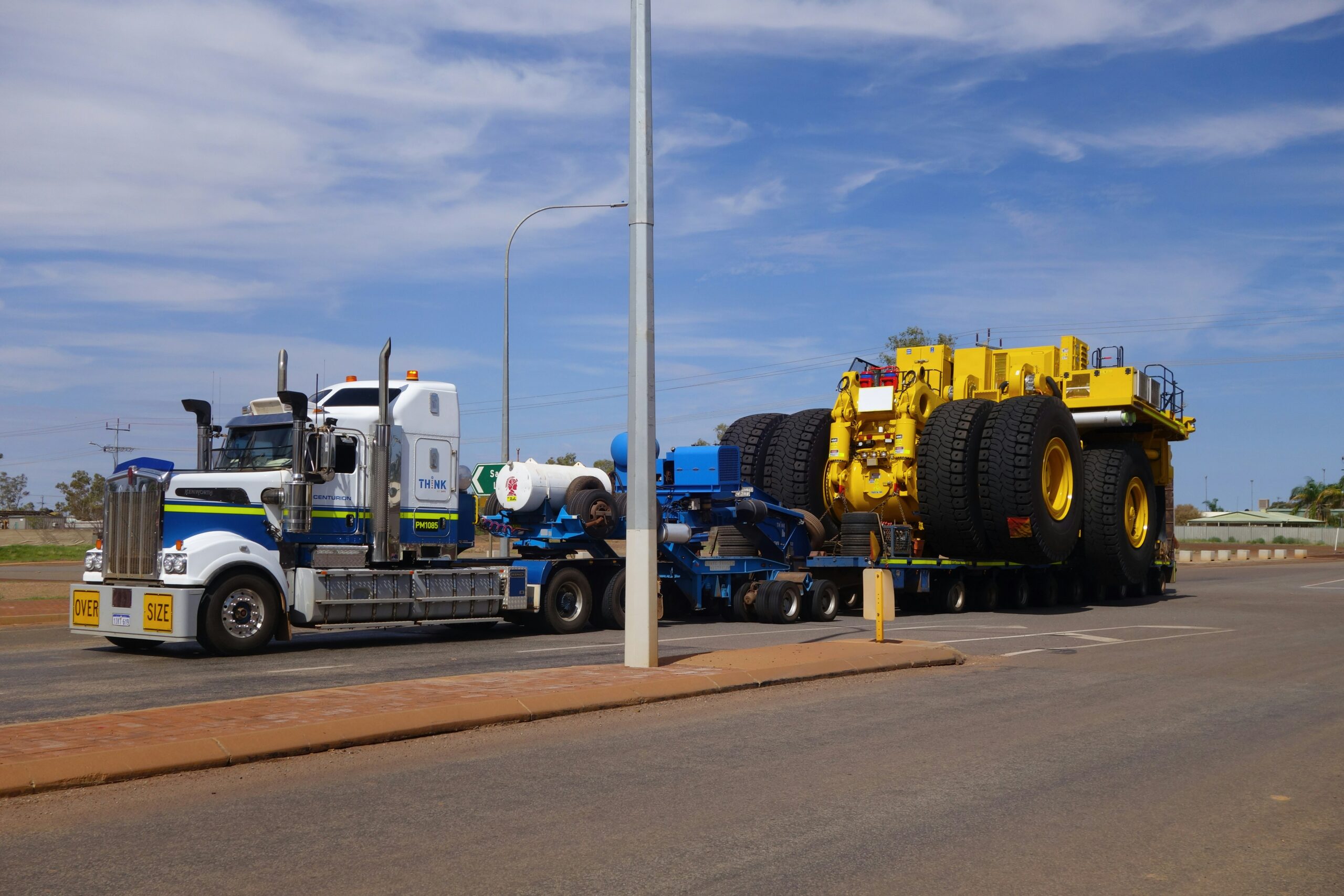
Pickup needs a confirmed release from the seller, a loading plan for the yard, and a truck matched to the machine. Oversized and overweight loads need state permits and often an RGN or lowboy trailer, and permits take time to issue. If you have several suppliers, pickups are sequenced so the cargo reaches the port together, not two weeks apart.
4. Clean and Prepare the Machine
Used equipment usually has to arrive free of soil, seeds, and plant material. Australia’s agriculture department states that used machinery must enter free from biosecurity risk material, and machines that fail inspection can be refused entry. Other countries apply similar rules. Cleaning before export is far cheaper than cleaning or re-exporting at destination.
5. When Is AES Filing Required for Heavy Equipment?
Electronic Export Information has to be filed in AES when the value under a single Schedule B number is over $2,500, or when the item needs an export license, according to the International Trade Administration. Almost every piece of heavy equipment crosses that line. The filing returns an ITN, which has to be on the shipping documents before the cargo loads.
Used self-propelled equipment has a second requirement. Under 19 CFR 192.2, the ownership documents and the machine must be presented to CBP at least 72 hours before export by vessel. CBP’s definition of self-propelled vehicles includes construction equipment, so a used excavator or loader falls under this rule. Shipments from Canada follow CBSA export reporting instead.
6. Book the Vessel and Load
Booking comes last, once the machine is clean, the ITN is issued, and the 72-hour window is covered. The transport method decides the cutoff, the terminal, and how the machine is secured on board.
RoRo, Flat Rack, Breakbulk, or Container?
The right method depends on whether the machine moves under its own power, its dimensions, and its weight. Self-propelled machines usually go RoRo. Oversized cargo that cannot drive goes on flat racks or breakbulk, and dismantled units or parts go in standard containers.
| Method | Best for | How it loads | Watch out for |
|---|---|---|---|
| RoRo | Wheeled or tracked machines that run, plus towable units on rolling trailers | Driven or towed onto the vessel deck | Machine must run on the day of loading; limited RoRo service on some lanes |
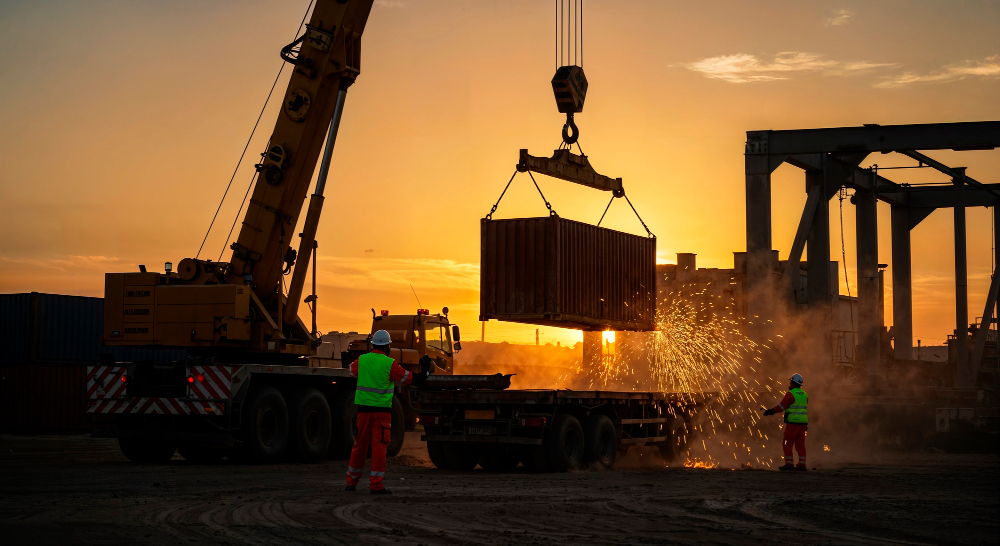
| Flat rack | Out-of-gauge cargo too wide or tall for a closed container | Lifted onto a collapsible-end container, then lashed and braced | Lashing plan and weight distribution; overwidth affects stowage and cost |
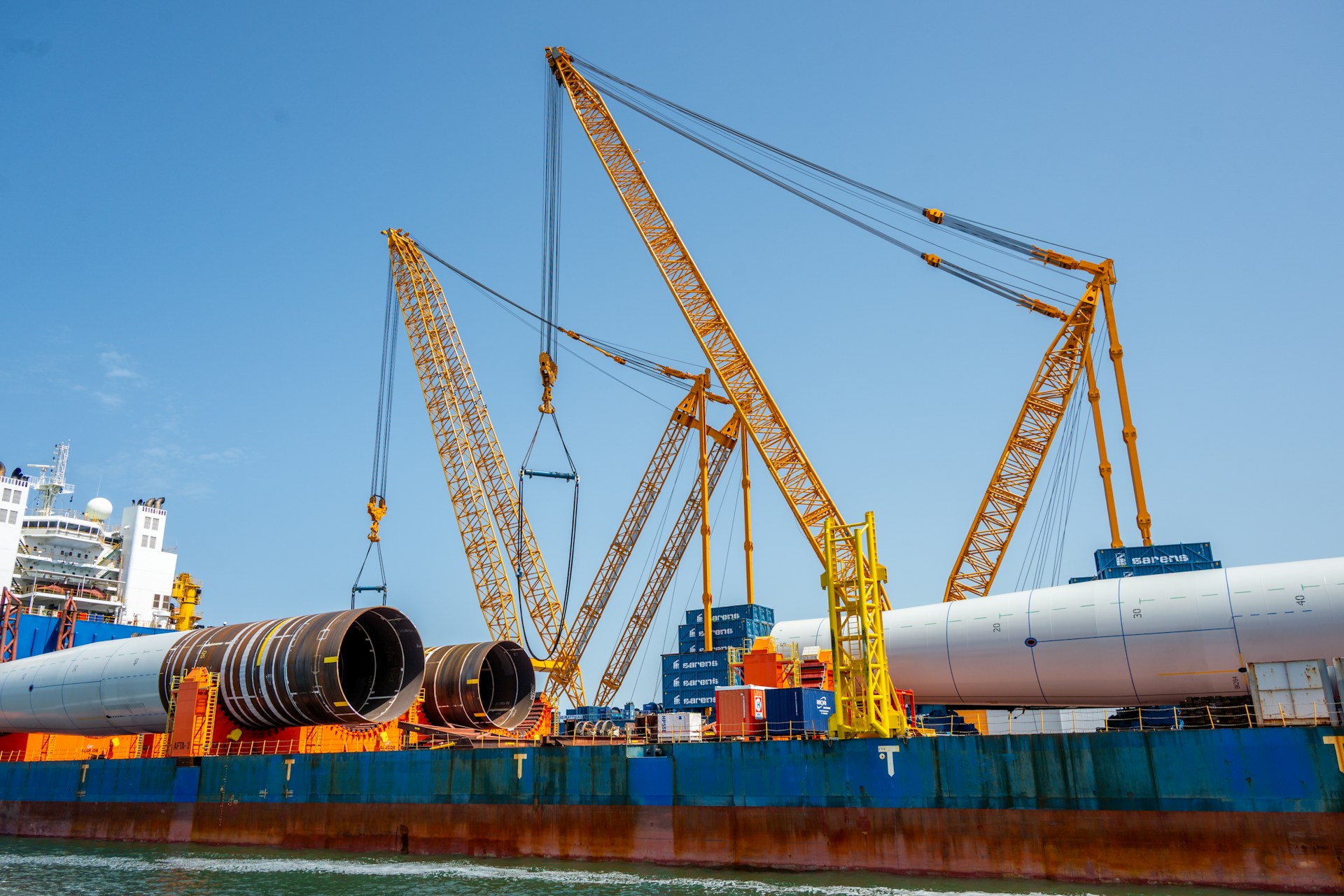
| Breakbulk | Very large or heavy single pieces: rigs, turbines, large generators | Lifted by ship’s gear or port crane and stowed in the hold or on deck | Fewer sailings; lift points and rigging must be confirmed in advance |
| Standard container | Compact machines, dismantled units, attachments, and parts | Loaded at the yard or a warehouse, blocked and braced inside | Dismantling and reassembly time; height of the machine with tracks or cab |
How Do You Prepare OOG Cargo?
Out-of-gauge cargo needs exact dimensions and weight before booking, including the center of gravity and lift points. Measure the machine as it will ship, with the boom lowered, bucket on or off, and cab or ROPS in place or removed. A few inches of difference can move a machine from one rate class to another or off a vessel entirely.
Export Documents for Heavy Machinery
A heavy equipment shipment needs a small set of documents, and each one has to match the others: same serial numbers, same values, same parties. Mismatches between the invoice and the AES filing are a frequent cause of holds.
- Commercial Invoice with the make, model, serial number, and agreed Incoterm
- Packing List with dimensions and weights for each piece
- Bill of Lading (ocean) or Air Waybill for parts moving by air
- AES / EEI filing and the resulting ITN
- Proof of ownership for used self-propelled equipment under the CBP 72-hour rule
- End-user statement and any destination-specific certificates, such as cleanliness or inspection certificates
Pre-Loading Checklist
Run this checklist before the truck arrives at the vendor’s yard. Every item on it is something that, if missed, gets found at the port instead, where fixing it costs more.
- Serial number photographed and matched to the invoice
- Final dimensions and weight measured in shipping configuration
- Machine cleaned of soil and plant material, including tracks, undercarriage, and radiator
- Fuel at the level the carrier requires; batteries disconnected if required
- Loose attachments, buckets, and parts secured or packed separately
- Keys, manuals, and service records packed with the machine
- Lift and lashing points identified for flat rack or breakbulk
- Ownership documents ready for the CBP 72-hour presentation
Avoiding Demurrage, Detention, and Port Delays
Demurrage and detention start when cargo or equipment sits past its free time, usually because a document, a cleaning, or a payment was not ready. The fix is sequencing: nothing goes to the terminal until it can leave on the booked vessel.
In practice that means matching the cargo readiness date to the vessel cutoff, not the other way around. If a machine is ready on the 3rd and the cutoff is the 20th, it waits at the vendor’s yard, not at the port. Free time and charges vary by carrier and terminal, so we confirm them for each booking.
How Falcon Cargo Handles Heavy Equipment Export from USA
Falcon Cargo manages the freight side as one process: pickup, inland transport with permits, cleaning coordination, AES filing and the CBP 72-hour presentation, booking, loading, and cargo insurance. You get status updates at each stage and one contact for the whole shipment.
We coordinate cleaning through port terminals and third-party washpad facilities, and condition surveys through independent surveyors. See our export services for the full scope, or request a heavy equipment freight quote with the machine’s dimensions, weight, pickup location, and destination port.
People Also Ask
Does the CBP 72-hour rule apply to construction equipment?
Yes, for used self-propelled machines. CBP’s definition of self-propelled vehicles includes construction equipment, so a used excavator, loader, or dozer must be presented to CBP with its ownership documents at least 72 hours before export by vessel. Towed or non-self-propelled equipment is not covered by this rule.
Who files AES when equipment is sold EXW?
Under EXW the foreign buyer takes on export clearance, which usually becomes a routed export transaction with the buyer’s US agent filing AES. The US seller still has to supply accurate information. Many buyers avoid this by switching to FCA, where the seller handles export clearance.
Is RoRo or flat rack better for an excavator?
If the excavator runs and the lane has RoRo service, RoRo is usually simpler: the machine is driven on board with less lashing work. If it does not run, or no RoRo sailing fits the schedule, a flat rack is the standard option for machines too wide or tall for a closed container.
Do I need to clean used equipment before export?
For many destinations, yes. Countries such as Australia require used machinery to arrive free of soil, seeds, and plant material, and can refuse entry if it does not. Cleaning in the USA before loading costs less than cleaning, quarantine, or re-export at the destination port.
Ready to ship? Let’s talk.
Falcon Cargo handles commercial exports from the USA and Canada — air and ocean, any complexity, any destination.