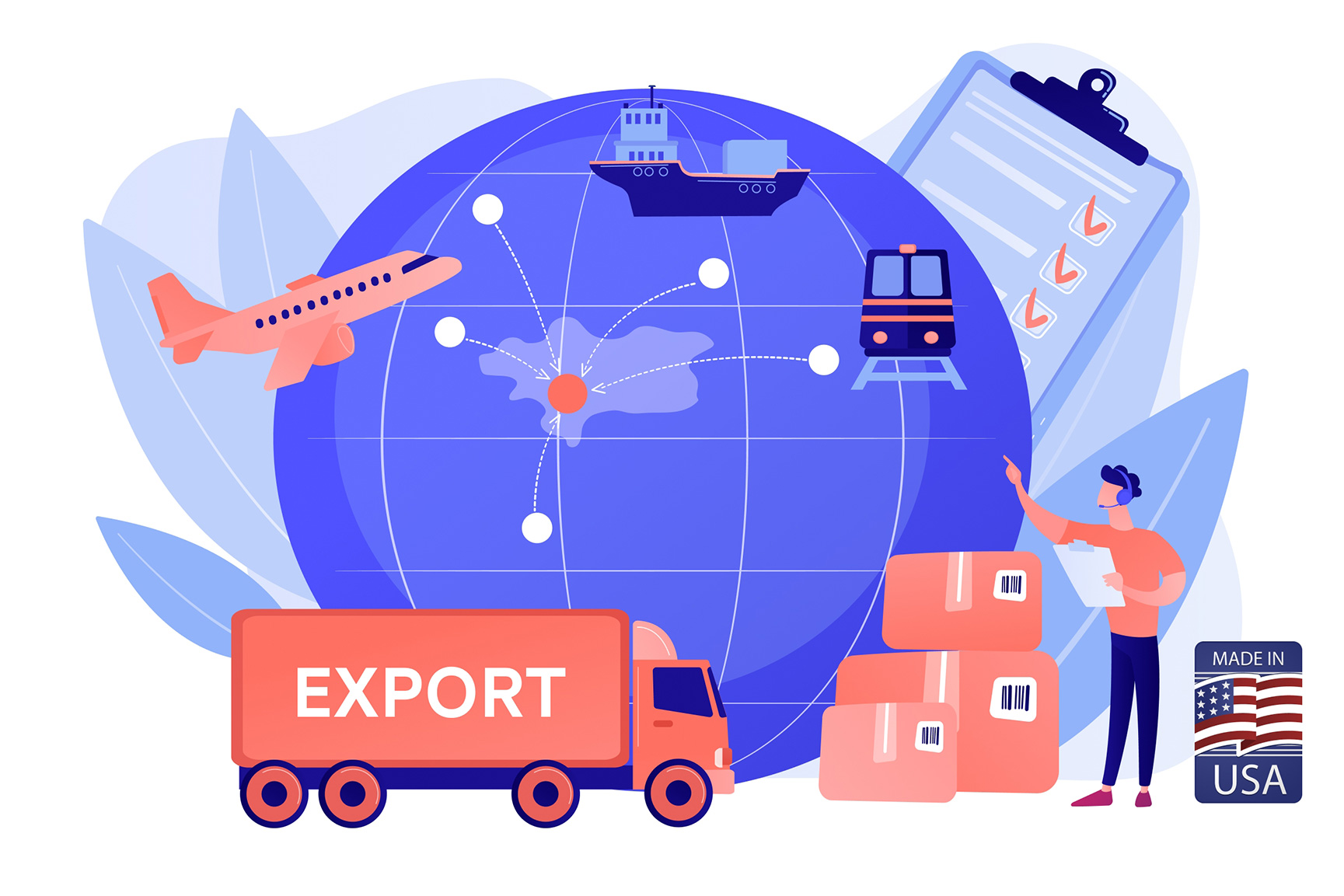
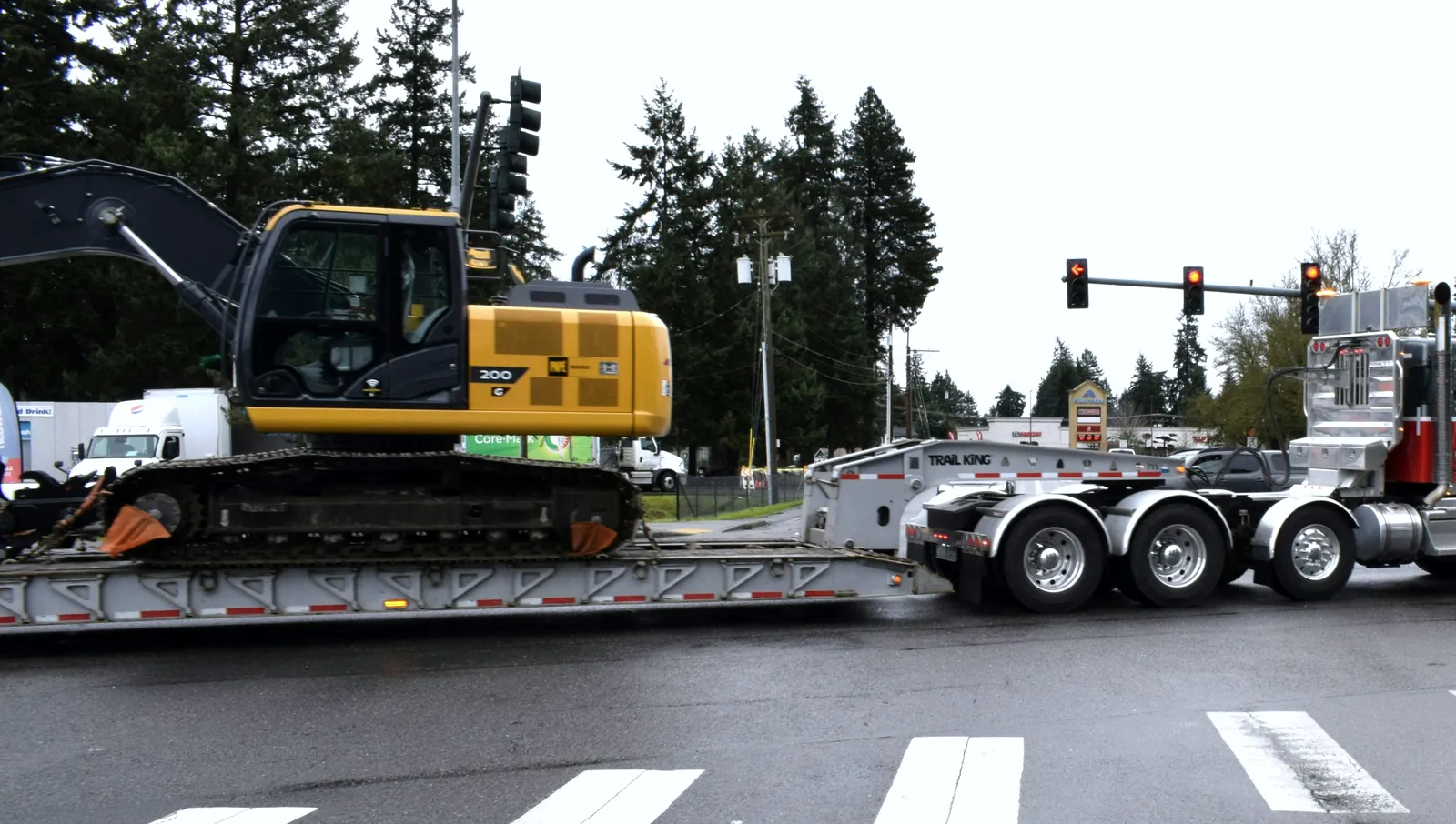
US sourcing and export is two jobs done in sequence: someone buys the goods inside the United States, and someone moves them out of it. LS Projects handles the buying — vendor search, purchase under its own name, consolidation, and export documents. Falcon Cargo handles the movement — AES filing, packing and bracing, routing, and departure by air or ocean. This article explains how the two sides connect, what the buyer receives at every step, and when this setup is worth paying for.
Table of Contents
What US sourcing and export actually means
Sourcing is procurement. Finding the dealer, confirming spec and availability, comparing quotes, issuing the purchase order, paying in USD from a US bank account, and taking title to the goods.
Export is movement. Commodity classification, filing Electronic Export Information in AES, packing for ocean or air, booking, hitting the port cutoff, and issuing the bill of lading.
Most companies sell one or the other. Search for import export services and you will find both words on the same homepage, usually with one half of the job outsourced by email. A freight forwarder will not buy your excavator. A trading house will not file your EEI or brace a 38-ton load onto a flat rack. LS Projects and Falcon Cargo split the work along exactly that line, which is why a buyer in Dubai, Lagos, or Tashkent deals with one process instead of five vendors and a forwarder who has never spoken to any of them.
Two companies, one file
LS Projects LLC is a Florida sourcing and projects company that buys under its own name and prepares the shipment. Falcon Cargo is the freight side: air and ocean export from the USA and Canada. Separate companies, separate contracts, one file per order.
Why foreign buyers get stuck with US vendors
The equipment is listed. The price is fair. Then the deal stalls, usually for one of five reasons.
- The dealer accepts payment only from a US bank account or a US-issued card.
- The listing says “no international shipping” and the seller will only release the unit ex works from his yard.
- The vendor will not credit-check or contract with a company he cannot verify.
- The buyer needs four vendors in three states consolidated into one container, and nobody wants to hold cargo.
- The vendor does not want the export paperwork liability that comes with being the US party of record.
There is also a regulatory reason that surprises most first-time buyers. Under 15 CFR 30.3, the party filing Electronic Export Information must maintain a physical office or residence in the United States, and a foreign entity acting as USPPI is barred from filing and must authorize a US agent instead. A buyer sitting in Almaty cannot file his own export declaration. Someone in the US has to do it, and that someone carries the responsibility for its accuracy.
The sourcing side: what LS Projects does
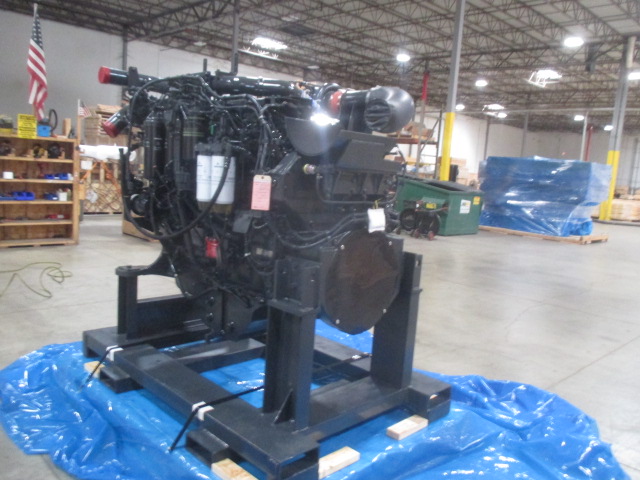
LS Projects buys American and Canadian goods for international clients and prepares them for export. It is global sourcing and procurement work with one deliberate limit: North American supply only. The anchor is heavy industry — oil and gas machinery, drilling rigs, generators, turbines, excavators, construction machinery, and genuine CAT, Komatsu, and Volvo parts.
The work on a typical order looks like this:
- Vendor identification across dealers, auctions, and manufacturers, with a check on who actually holds the unit.
- RFQs to several sources, then a written comparison of price, condition, hours, and lead time.
- Purchase under the LS Projects name, paid in USD, so the vendor deals with a US company he can verify.
- Photos and physical verification before pickup, not after the container doors close.
- Consolidation of multiple vendors with different ready dates into one shipment.
- Commercial invoice, packing list, and Schedule B classification prepared for the freight side.
Below the heavy equipment anchor, LS also sources medical and industrial equipment, furniture and interior goods from brands like RH, Crate & Barrel, and Arhaus, and consumer goods from US brands that do not sell abroad.
The export side: what Falcon Cargo does
Once the cargo is bought and staged, it becomes a freight problem, and freight problems are where money leaks. Falcon Cargo takes the shipment from the vendor’s yard to departure.
That includes AES filing and export compliance. Electronic Export Information must be filed in AES when the value of goods under a single Schedule B number exceeds $2,500, and for any commodity requiring an export license regardless of value. Nearly every industrial order crosses that line on the first invoice.
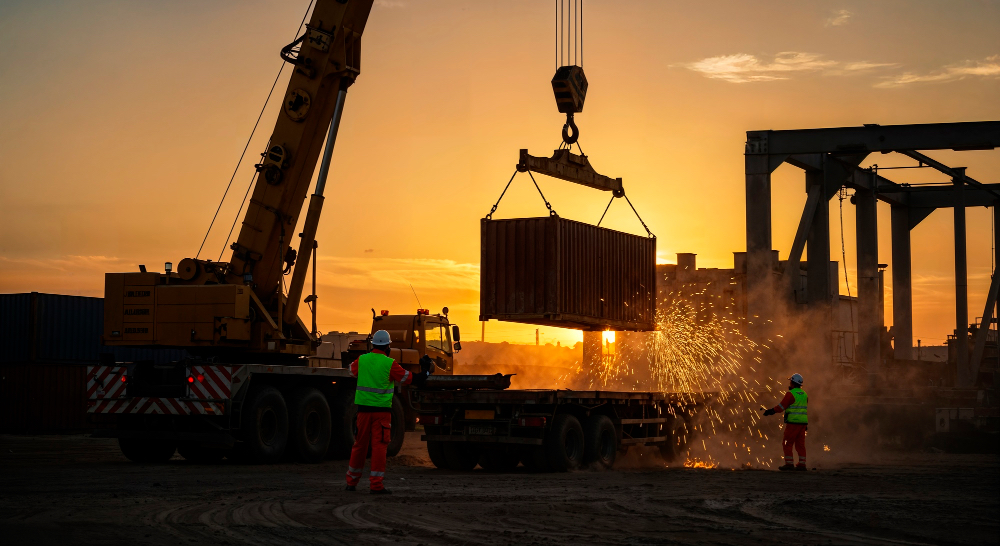
It also includes the physical side: crating, bracing, and lashing for ocean movement, flat rack and open top for oversized units, RoRo for wheeled and tracked machines, breakbulk for project cargo, FCL and LCL for parts and mixed loads, and air freight when a plant is down and a turbine part has to be in Dubai in four days.
Then the part clients notice only when it fails: routing and timing. Booking against the real port cutoff, matching vendor ready dates to the sailing, and controlling storage so demurrage and detention do not eat the margin the buyer saved on the purchase.
The 6-step US sourcing and export process
- Request. You send the spec, quantity, destination port or airport, and target date. Model numbers help; photos of what you want help more.
- Sourcing. LS Projects finds the units, verifies availability, and comes back with options and pricing, freight included so you see the landed number.
- Purchase. You confirm. LS Projects buys under its own name and pays the vendor in USD. The vendor deals with a US company, which is usually the moment the deal unblocks.
- Consolidation and preparation. Pickup from each vendor, inspection, photos, packing, and staging. Four vendors with four ready dates become one shipment with one date.
- Export. Falcon Cargo files the EEI, books the vessel or flight, and prepares the bill of lading or air waybill with the ITN cited on the loading documents.
- Departure and handover. Documents go to you and your customs broker at destination before the cargo arrives, not while it sits accruing storage.
Documents you receive
A shipment without clean paperwork is a shipment that stops at a port. Every order closes with a document set: commercial invoice, packing list, bill of lading or air waybill, and the ITN confirming the AES filing was accepted. Certificate of origin, MSDS, and manufacturer documentation are added when the destination or the commodity requires them.
For controlled or sensitive goods, expect an end-user statement and screening against the US Consolidated Screening List before anything is booked. The Census Bureau quick guide to the Foreign Trade Regulations sets out who is responsible for what in a routed export transaction, and the answer is never “the carrier will sort it out.”
When you need this setup and when you don’t
Straight answer: if you already have a US entity, your vendor sells FOB port, and he issues export documents without complaint, you do not need a sourcing partner. You need a forwarder. Send the shipment details to Falcon Cargo and skip the rest of this section.
A combined US sourcing and export setup earns its fee in three situations. When the vendor refuses to export or to deal with a foreign buyer. When payment has to originate from a US account. And when the order spans several suppliers whose ready dates will never line up on their own.
One warning worth putting in writing: routing goods through a third country does not change where US export controls apply. Sanctioned destinations and restricted end users stay restricted no matter which port the container transits. Any partner who tells you otherwise is selling you a problem, not a service.
How to start
Send the equipment spec and destination port. You get sourcing options with landed pricing, and if the answer is that you should buy locally instead, you will hear that too. Ask about export freight options at the same time, since the routing decision often changes which vendor makes sense.
For a shipment that is already bought and sitting in a yard, go straight to a freight quote with dimensions, weight, and pickup address.
People also ask
Can a foreign company buy equipment in the USA and export it?
Yes, but the export declaration cannot be filed by the foreign buyer. Under the Foreign Trade Regulations, the EEI filer must maintain a physical office in the United States. A foreign buyer must authorize a US agent, or work with a US company that purchases and exports on its own account.
What is a US sourcing and export partner?
A US sourcing and export partner buys goods inside the United States under its own name, consolidates them, prepares the export documents, and arranges international freight. It solves two problems at once: vendors who will not sell abroad, and shipments that need US-based responsibility for compliance.
How much does AES filing cost and who files it?
AES filing itself is free through the ACE AESDirect portal, but the filer takes on legal responsibility for accuracy. In practice the US principal party or its authorized agent files it. Falcon Cargo files based on documents supplied by the shipper, with a power of attorney in place.
Can several US vendors be combined into one container?
Yes. Consolidation is the standard fix when suppliers sit in different states with different ready dates. Cargo is collected, inspected, and staged at one point, then loaded as a single shipment with one bill of lading, one invoice set, and one arrival date at destination.
How long does sourcing and export from the USA take?
Sourcing usually runs one to three weeks depending on availability and vendor lead time. Ocean transit adds roughly 20 to 40 days to most Middle East, Africa, and Central Asia destinations. Air freight moves in days when downtime costs more than the freight bill.
Ready to ship? Let’s talk.
Falcon Cargo handles commercial exports from the USA and Canada — air and ocean, any complexity, any destination. LS Projects sources and buys inside the US. One process, from the vendor’s yard to your port.
Website: https://falconcargo.net
Email: sales@falconcargo.net